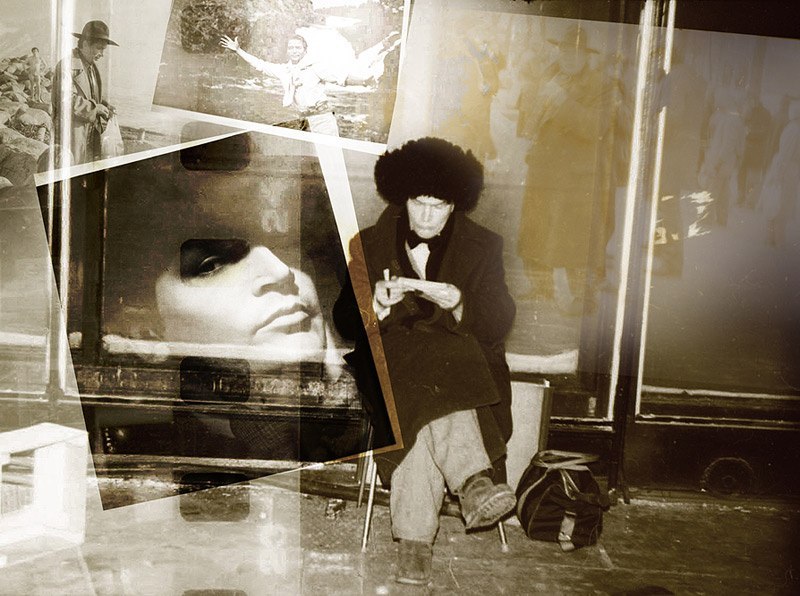
Vladimir Lisunov
Vladimir Lisunov’s early life was shaped by the hardships of World War II, including the Siege of Leningrad. Despite these challenges, he began drawing at a young age and eventually chose painting as his life’s vocation. After graduating from the Repin Institute of Arts in 1963, Lisunov began working in various artistic fields, including stage design and porcelain decoration. He was an active member of the Leningrad underground art scene and exhibited his work in private settings. However, due to his nonconformist style, he faced significant opposition from Soviet authorities. His exhibitions were often destroyed by the KGB, and he was frequently persecuted for his artistic expression.
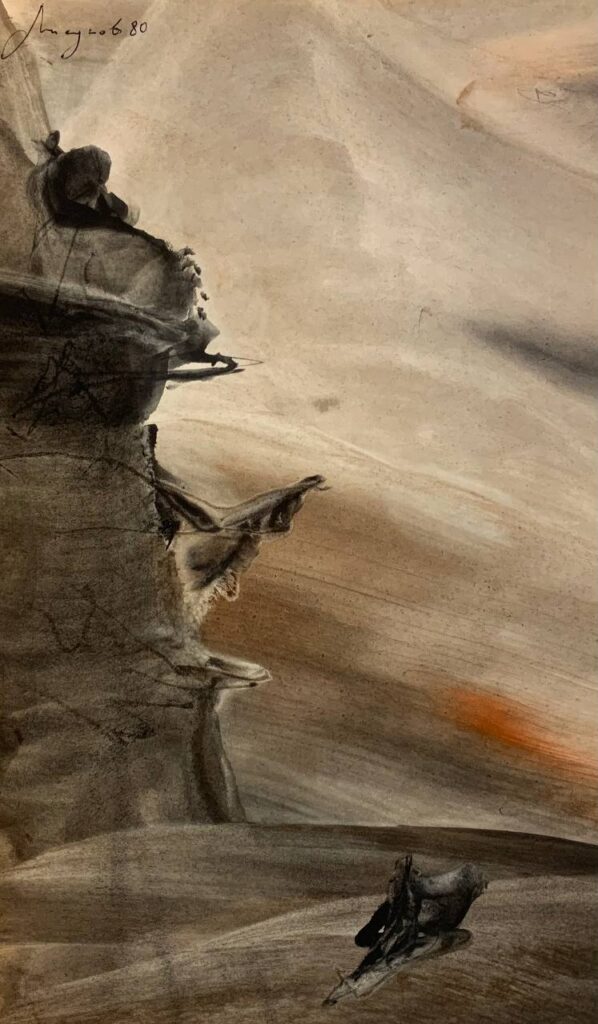
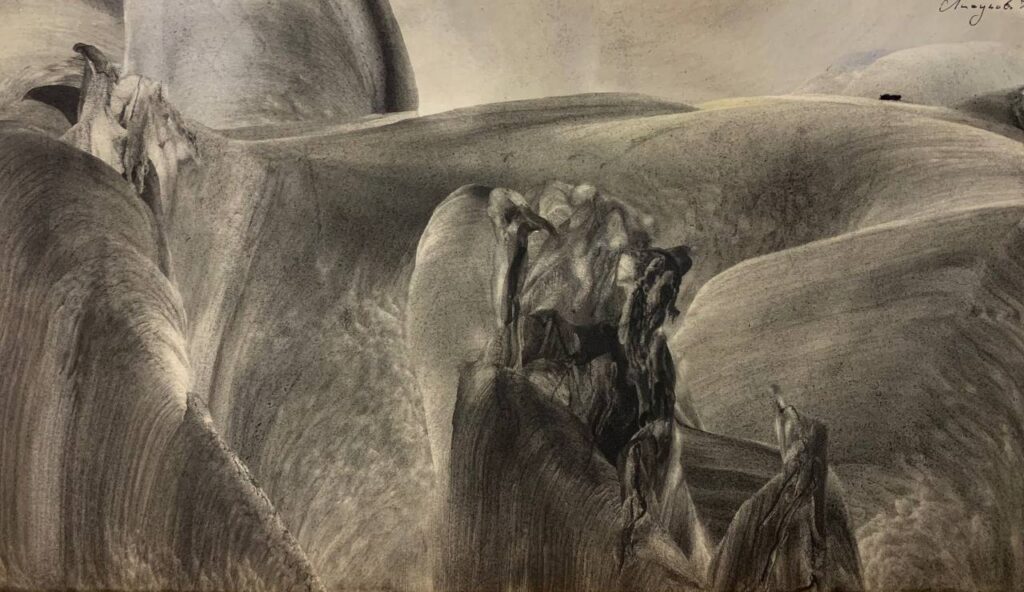
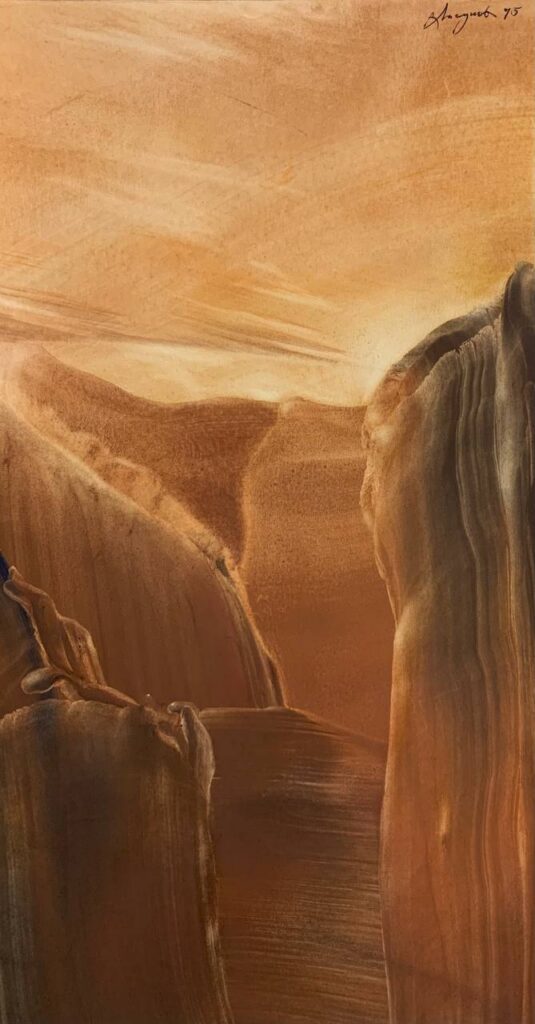
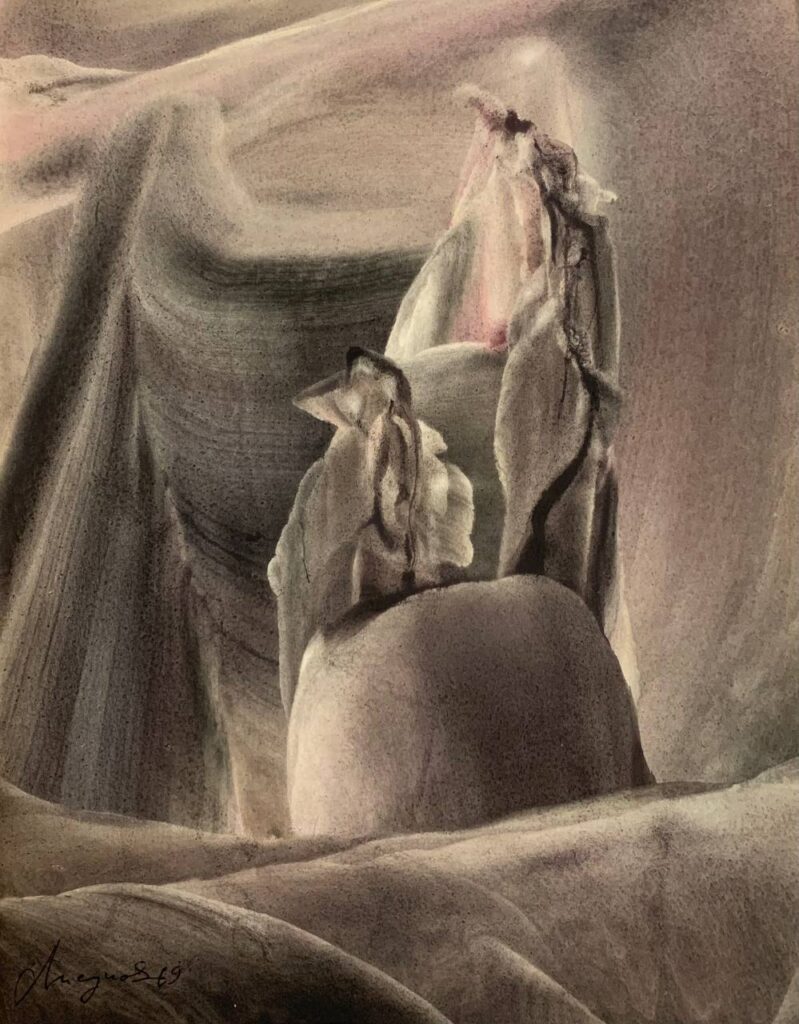
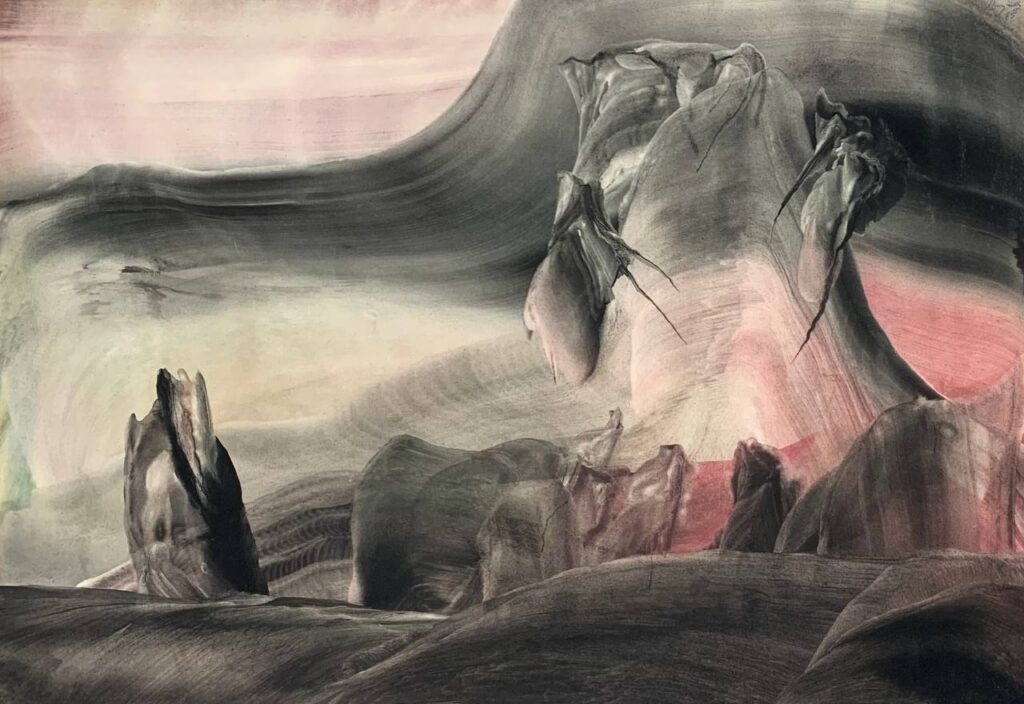
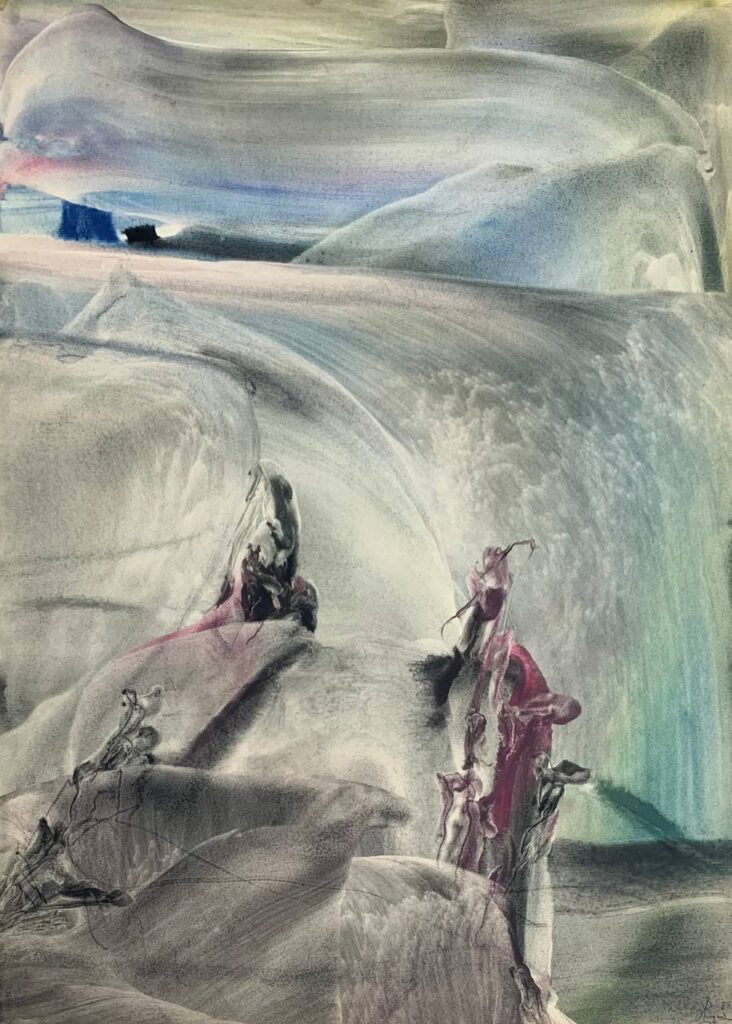
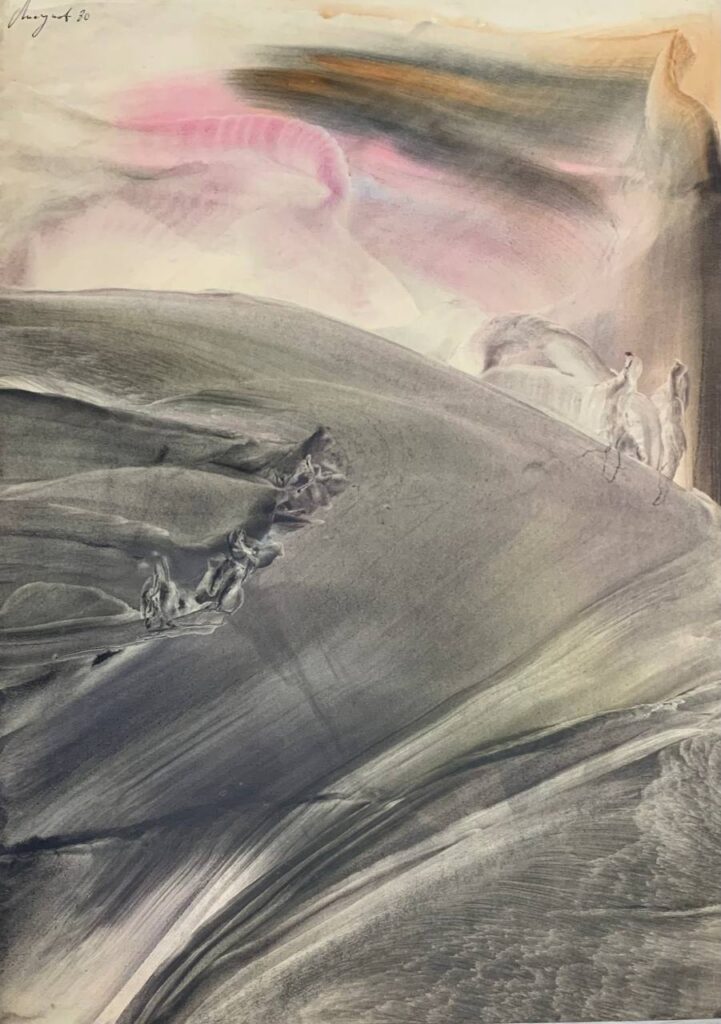
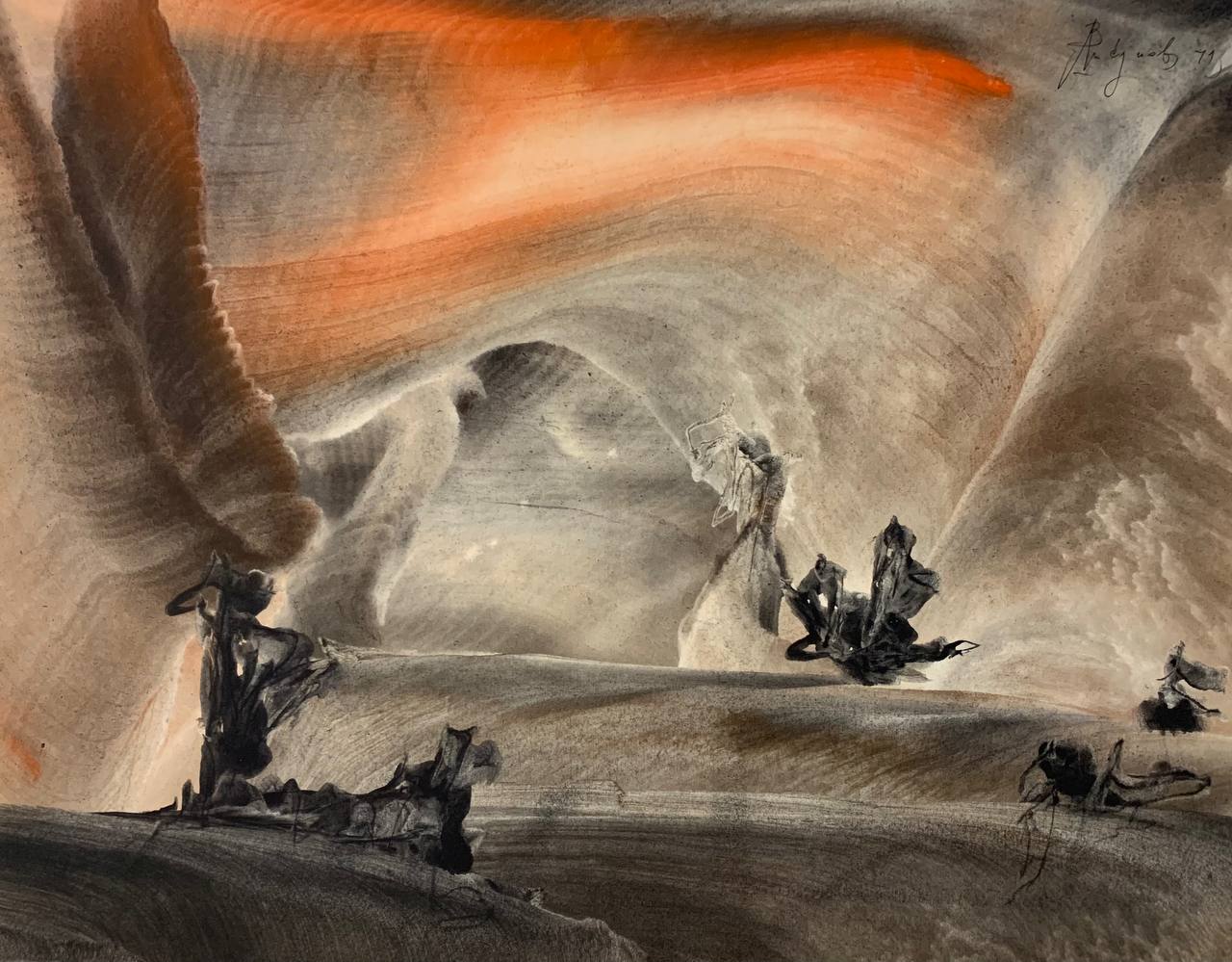
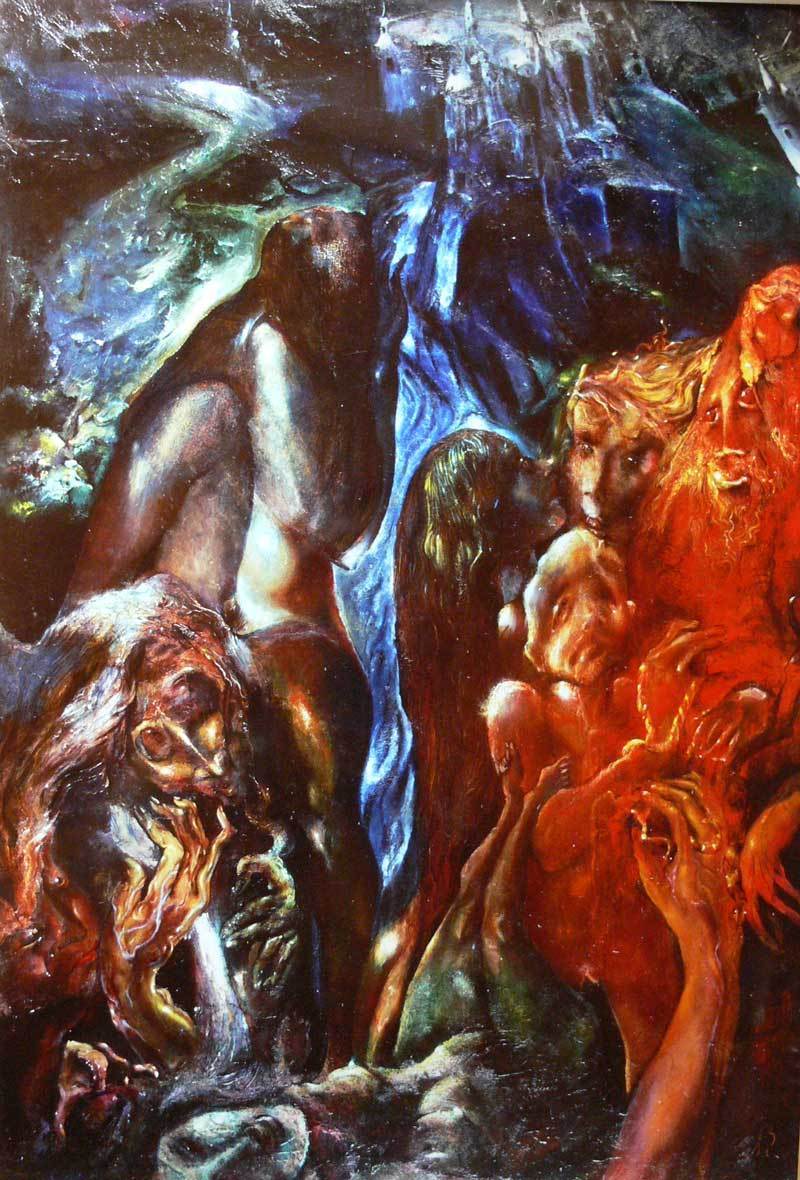
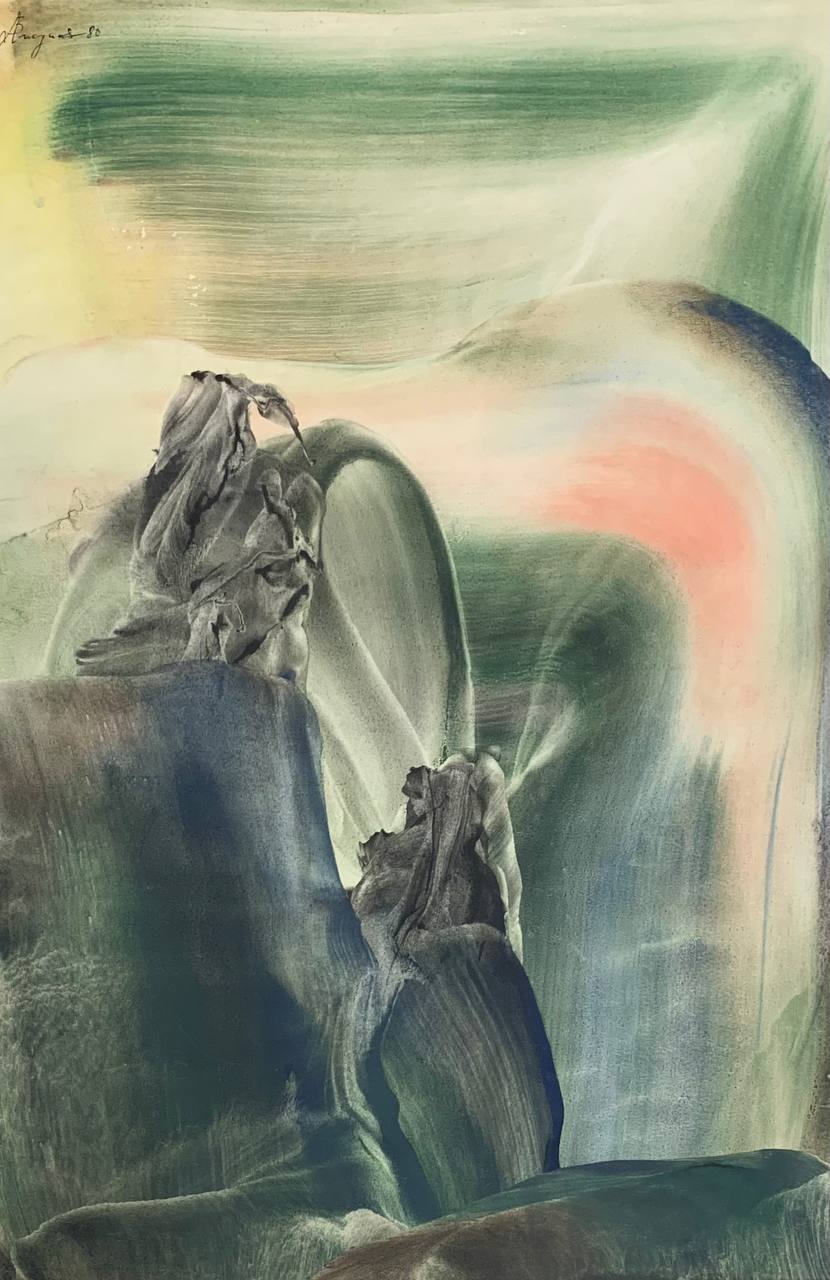
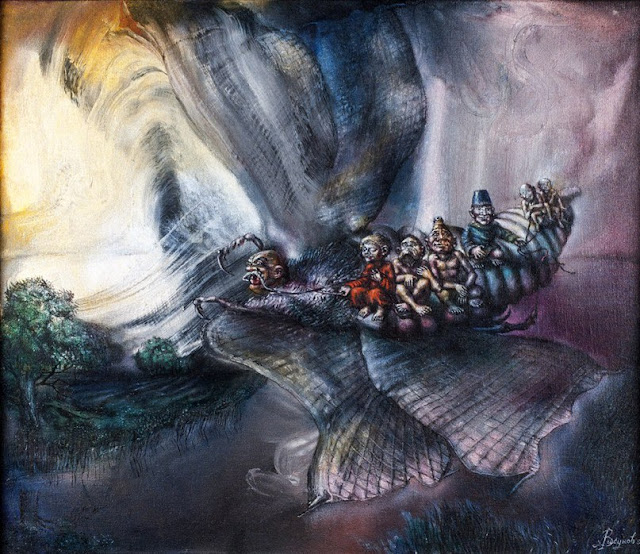
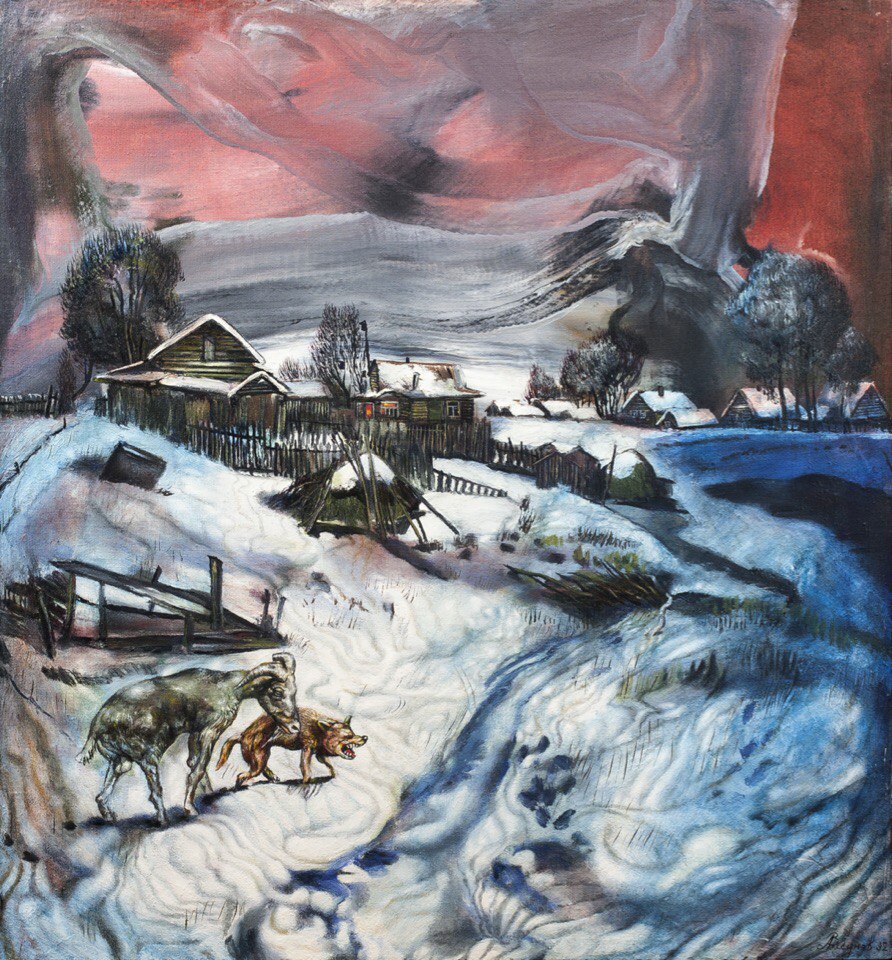
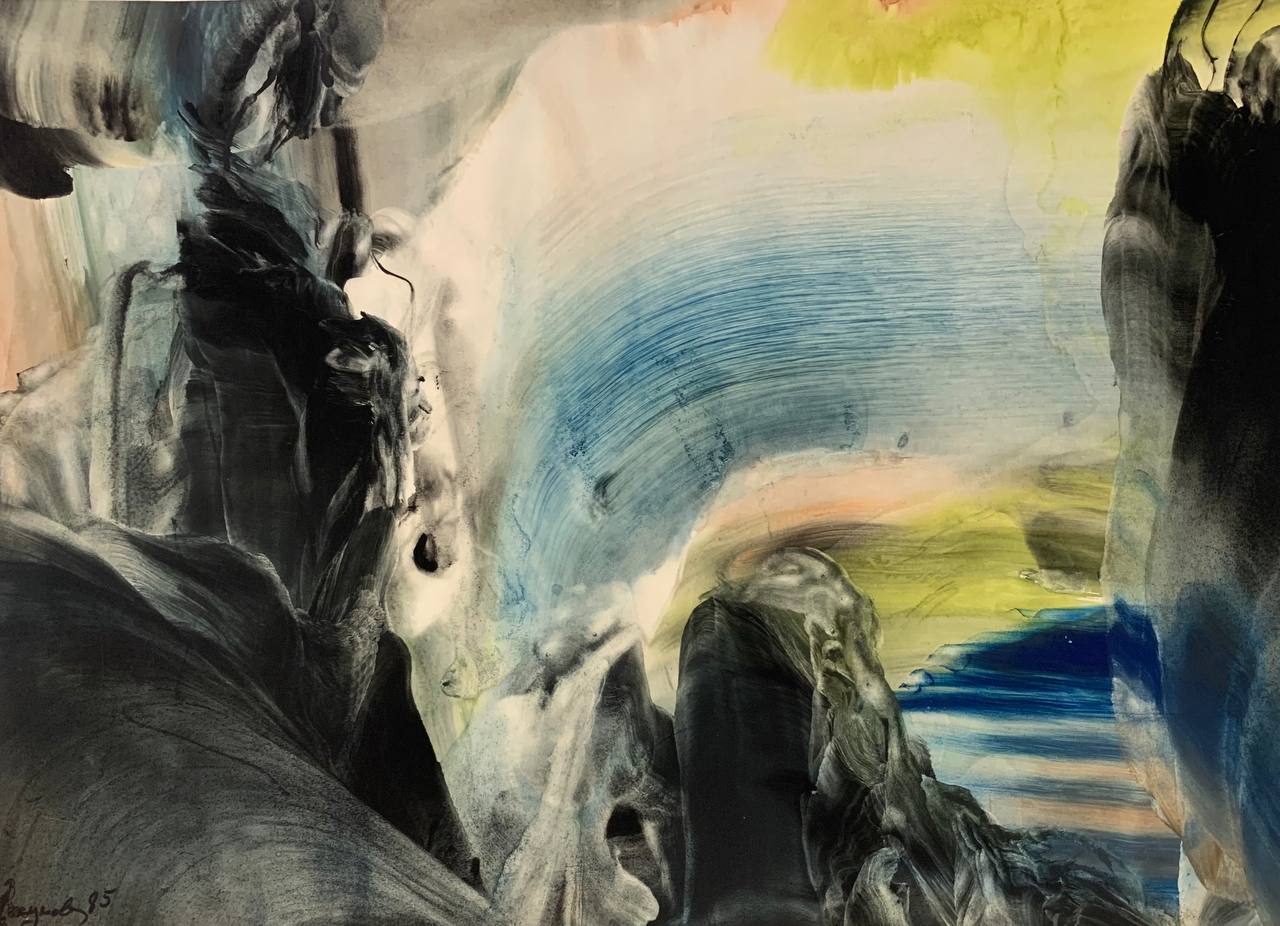
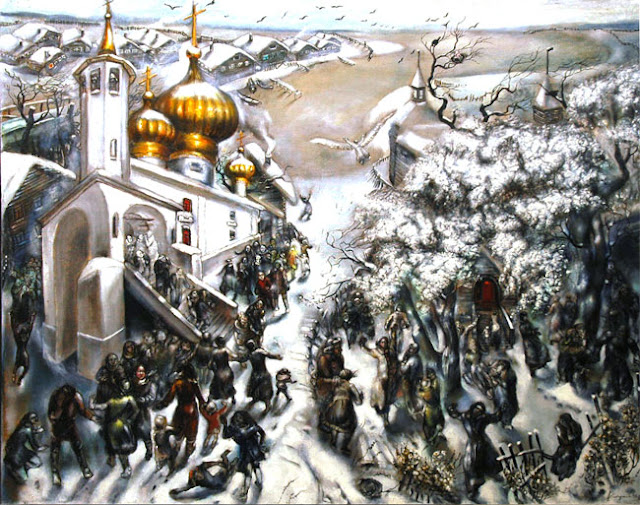
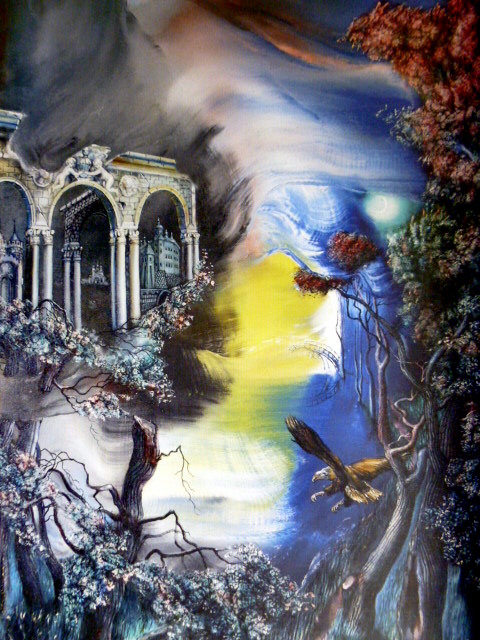
Lisunov’s work was influenced by mysticism and occultism, and his art often depicted astral journeys, surreal landscapes, and spiritual symbolism. He was associated with the Ostrov (Island) creative group in the 1980s and continued to gain recognition after the easing of Soviet restrictions on artistic freedom. Tragically, Lisunov’s life was cut short when he was murdered in 2000, under mysterious circumstances. Despite his untimely death, his legacy continues through his paintings, poetry, and the many exhibitions dedicated to his work.

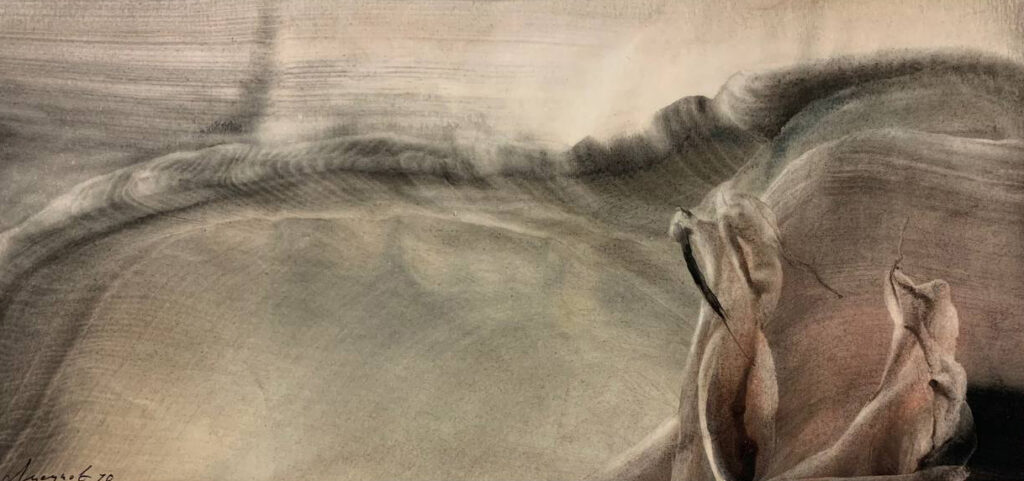

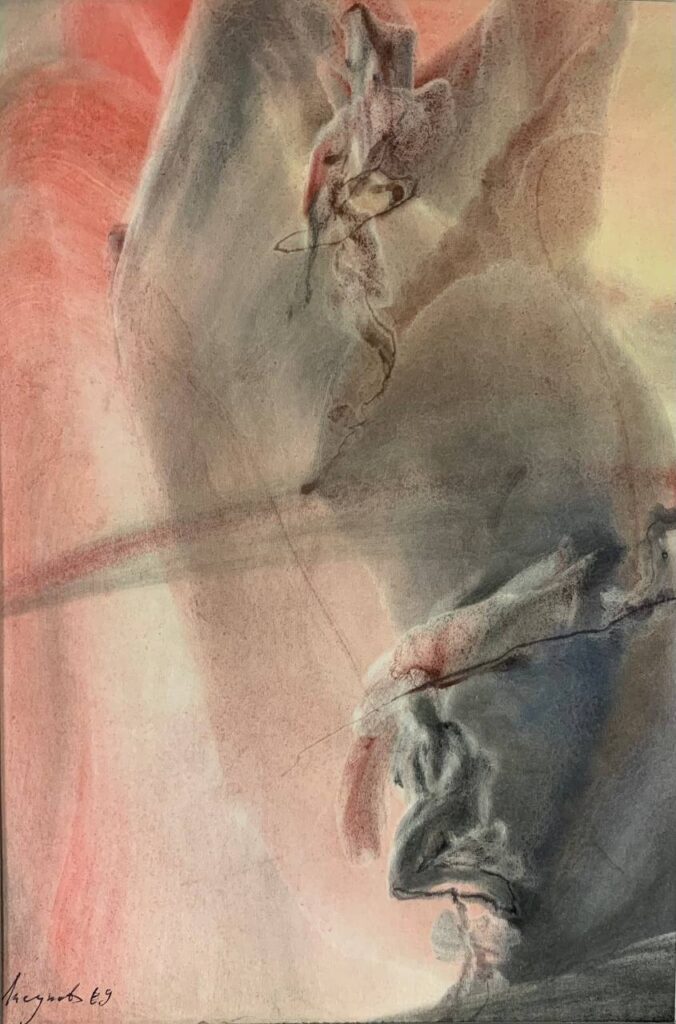
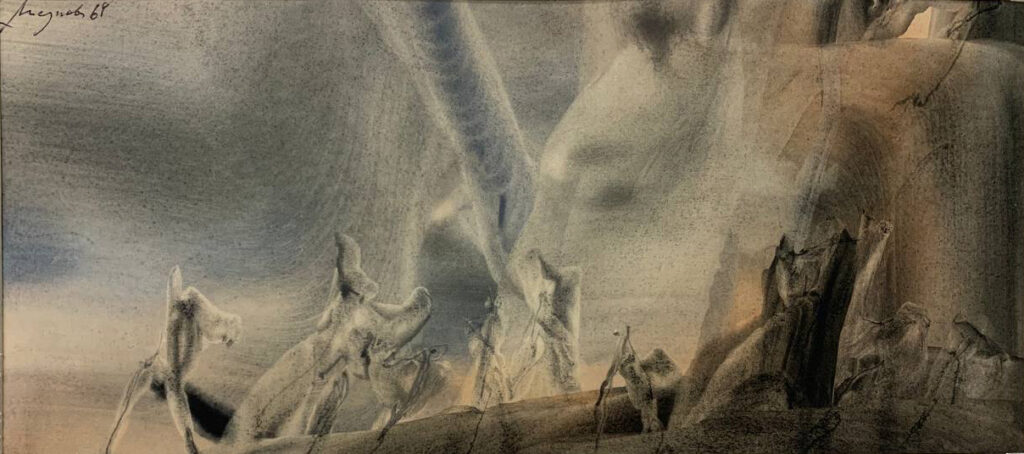
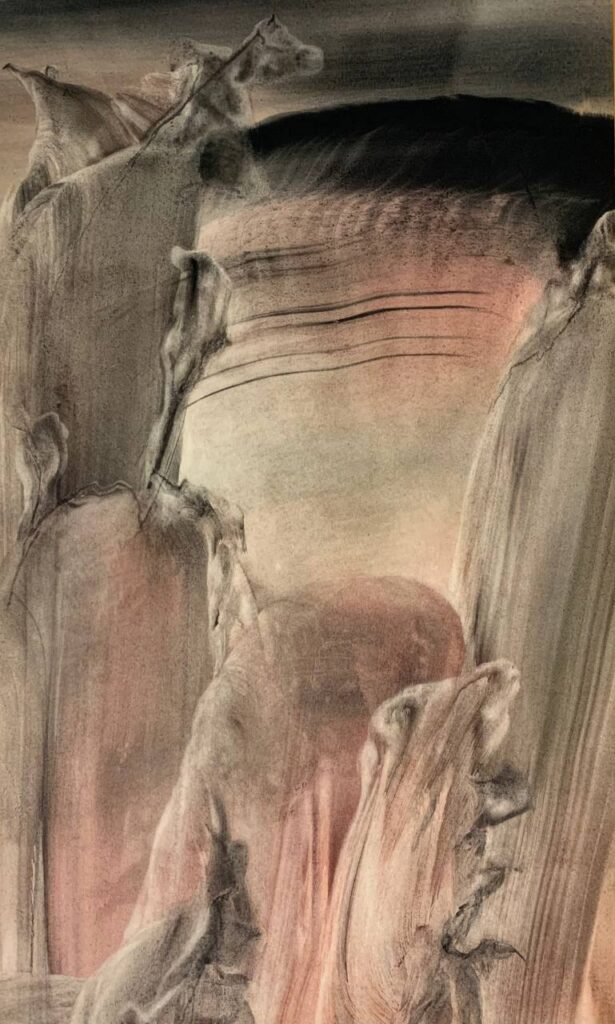
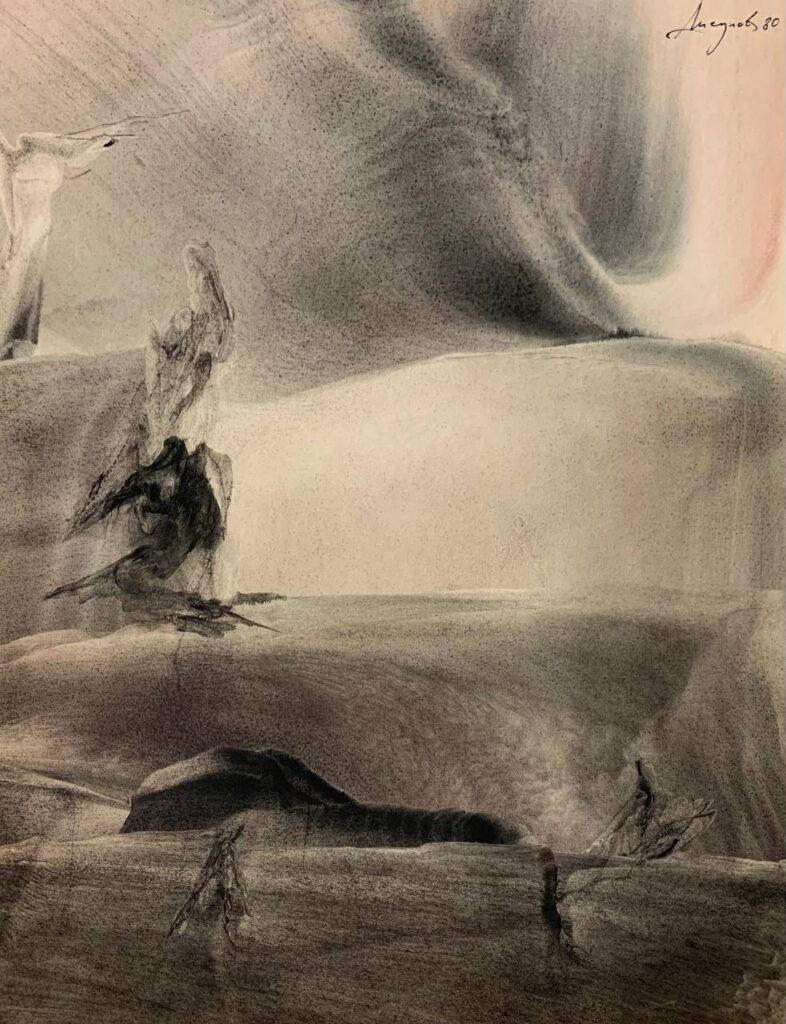
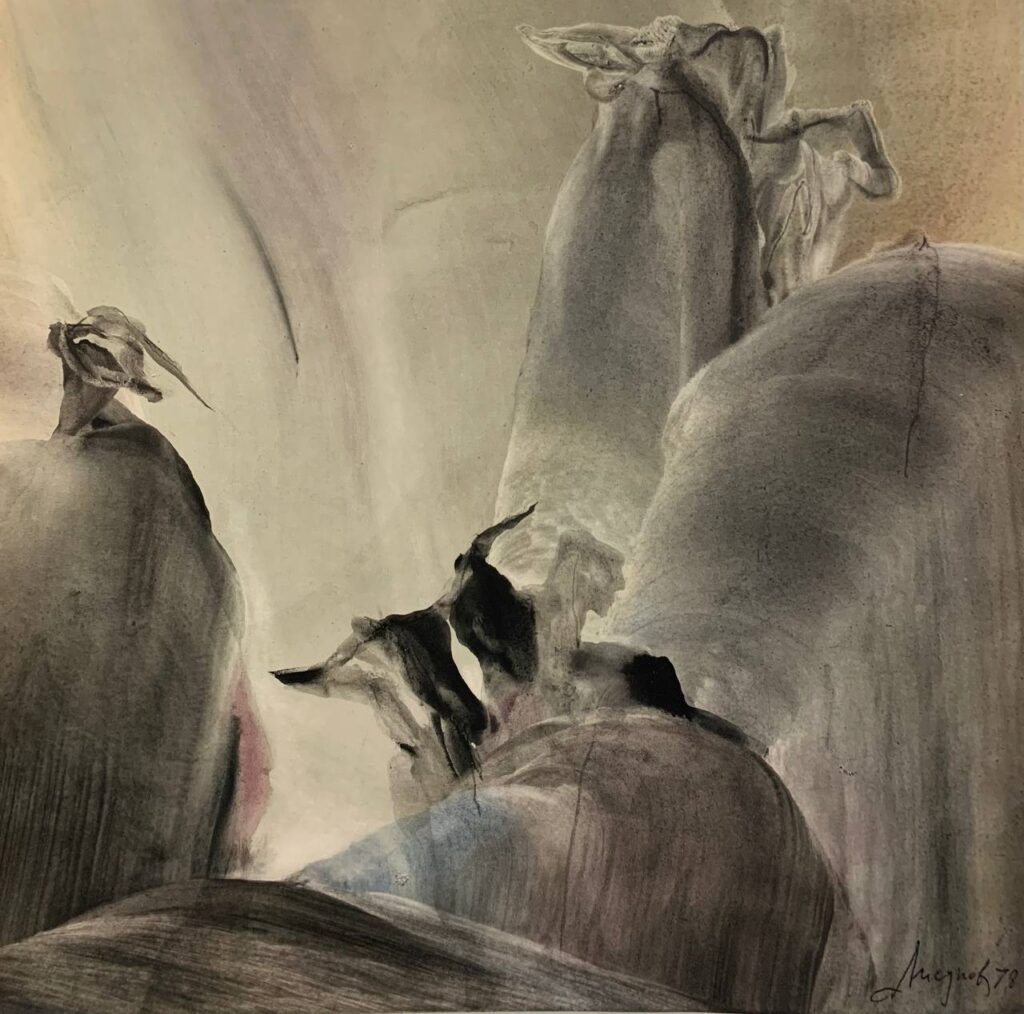
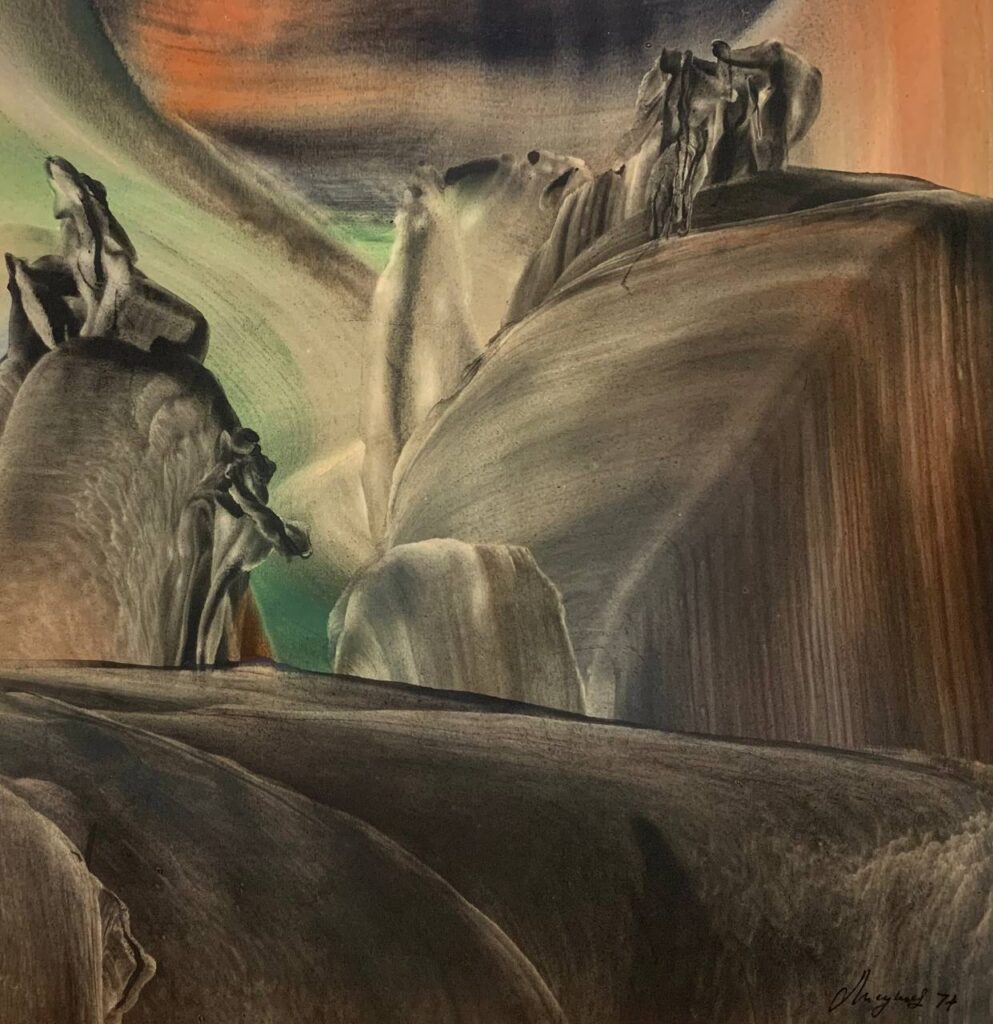
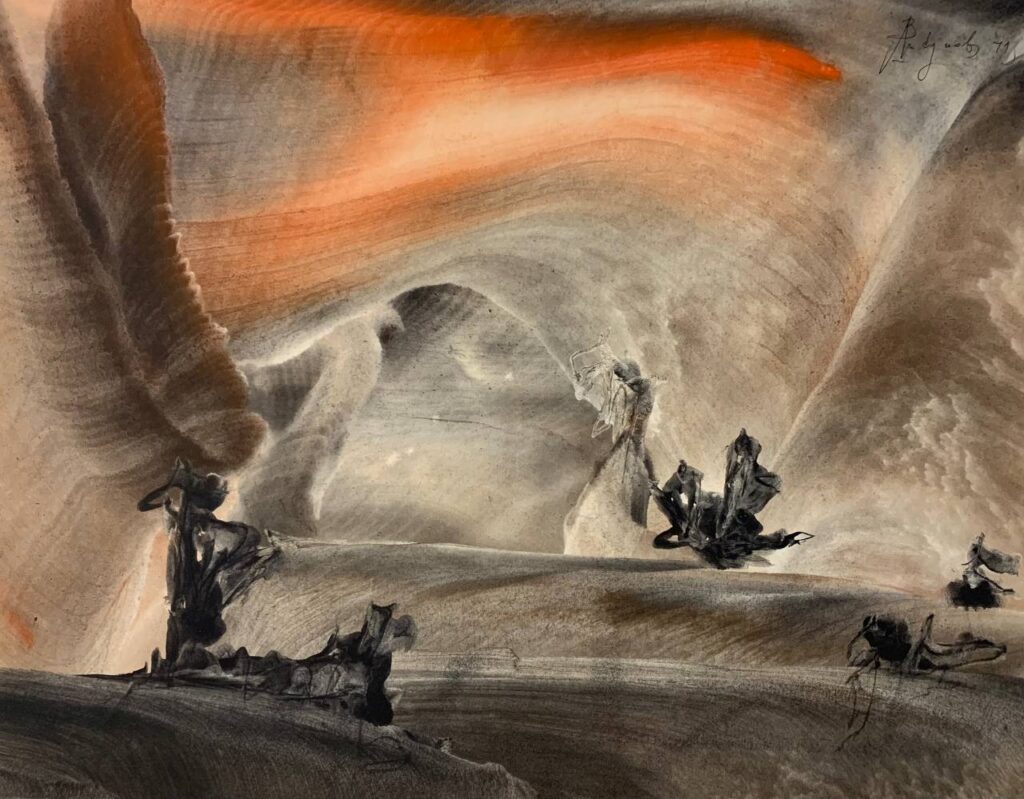
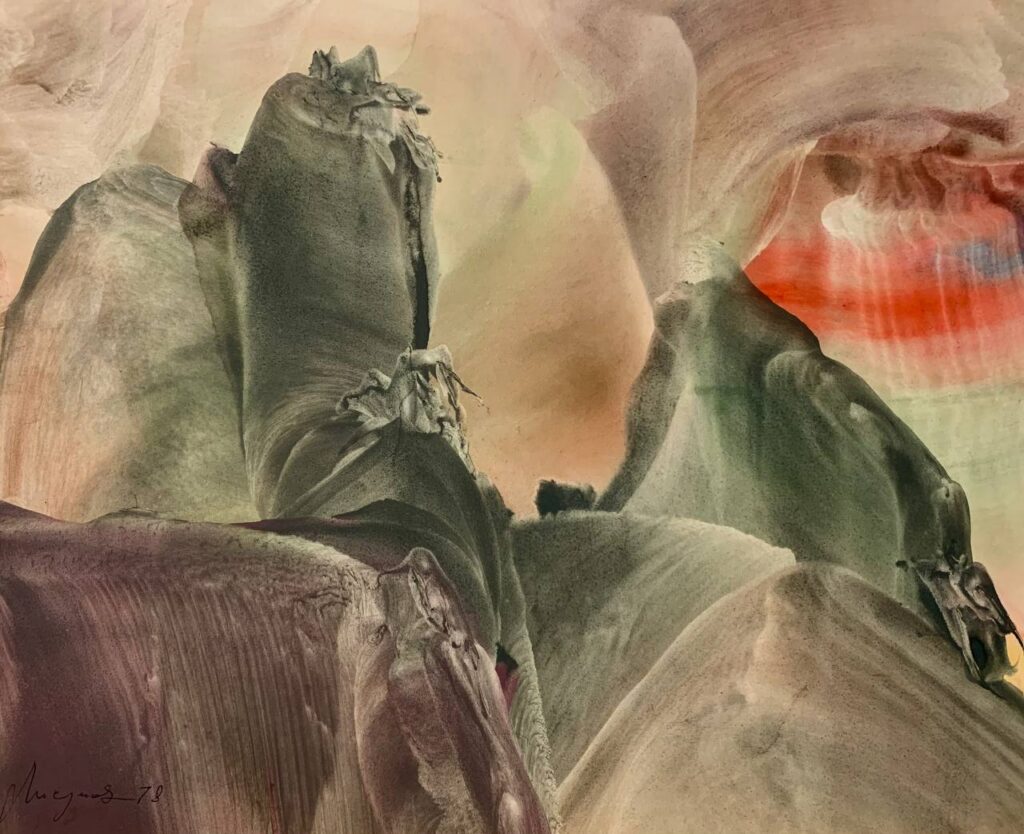

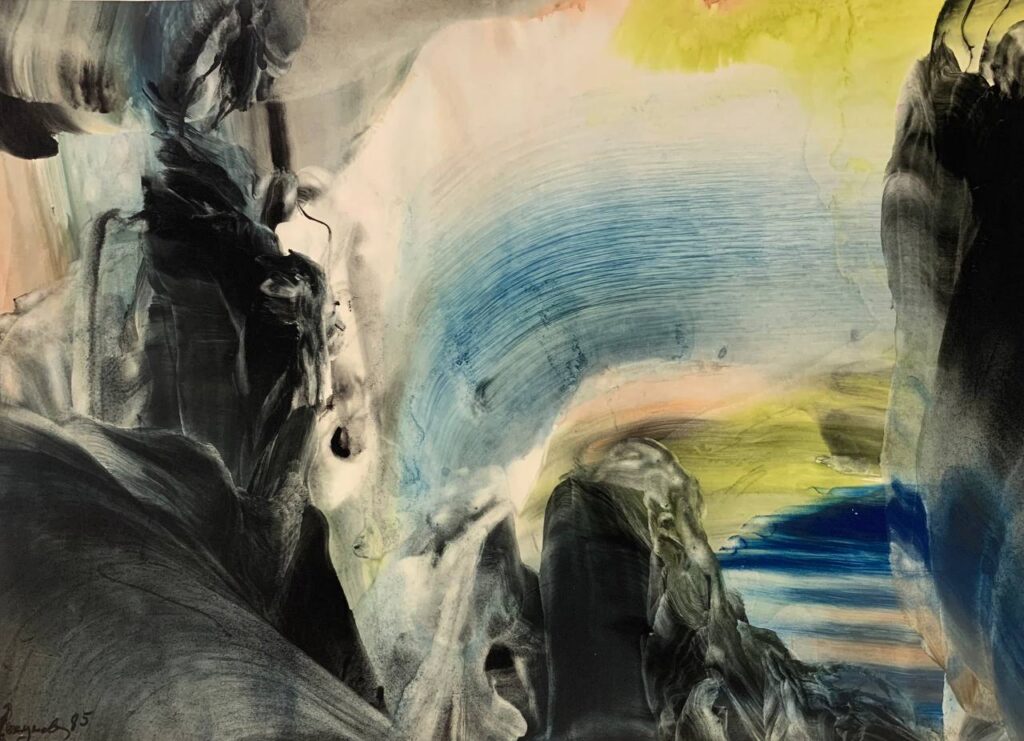
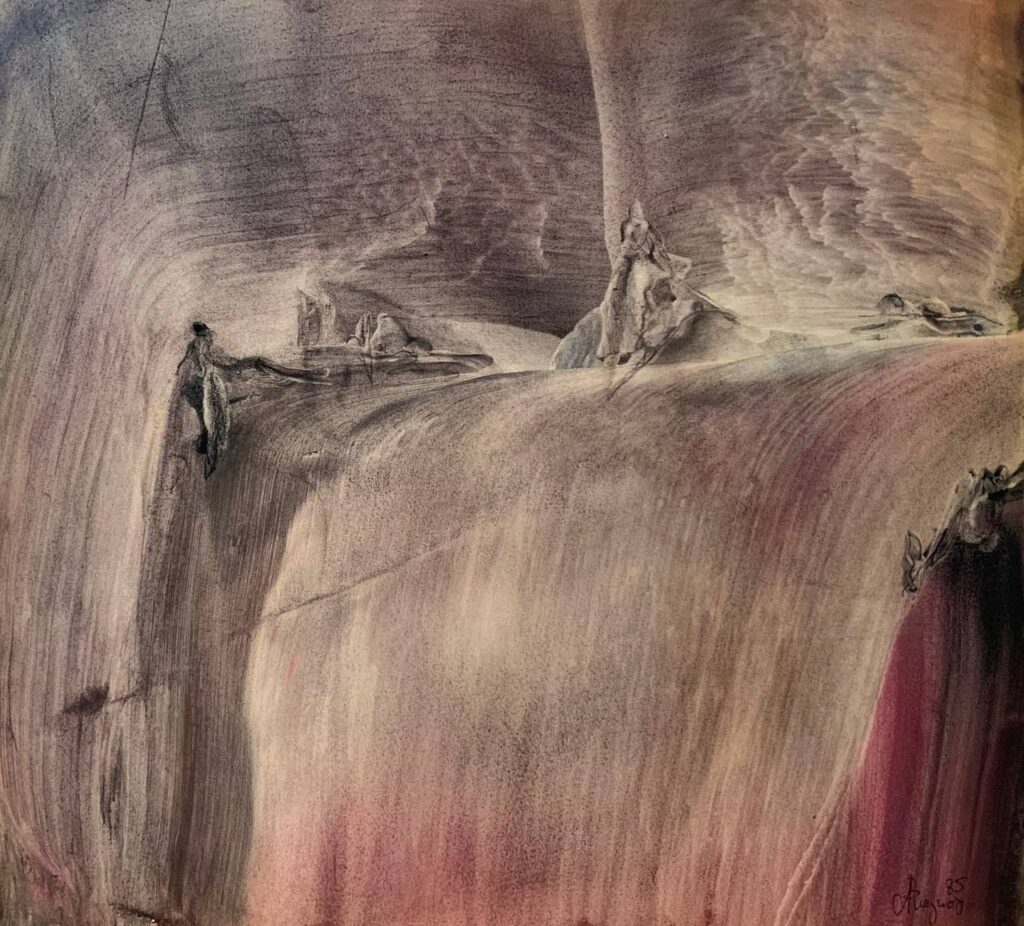
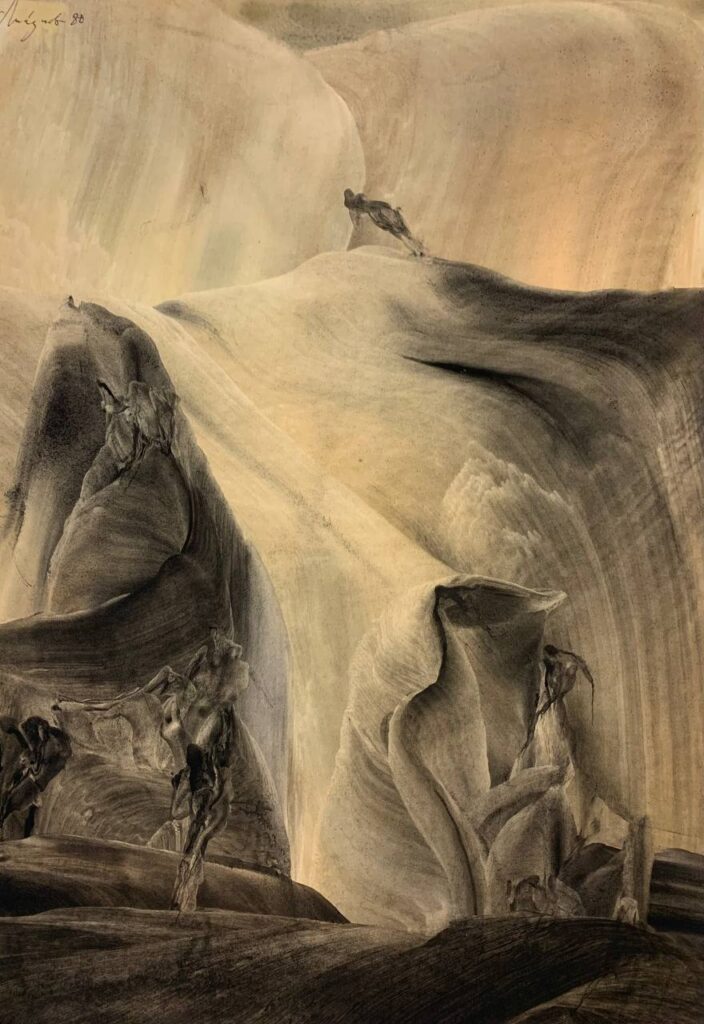
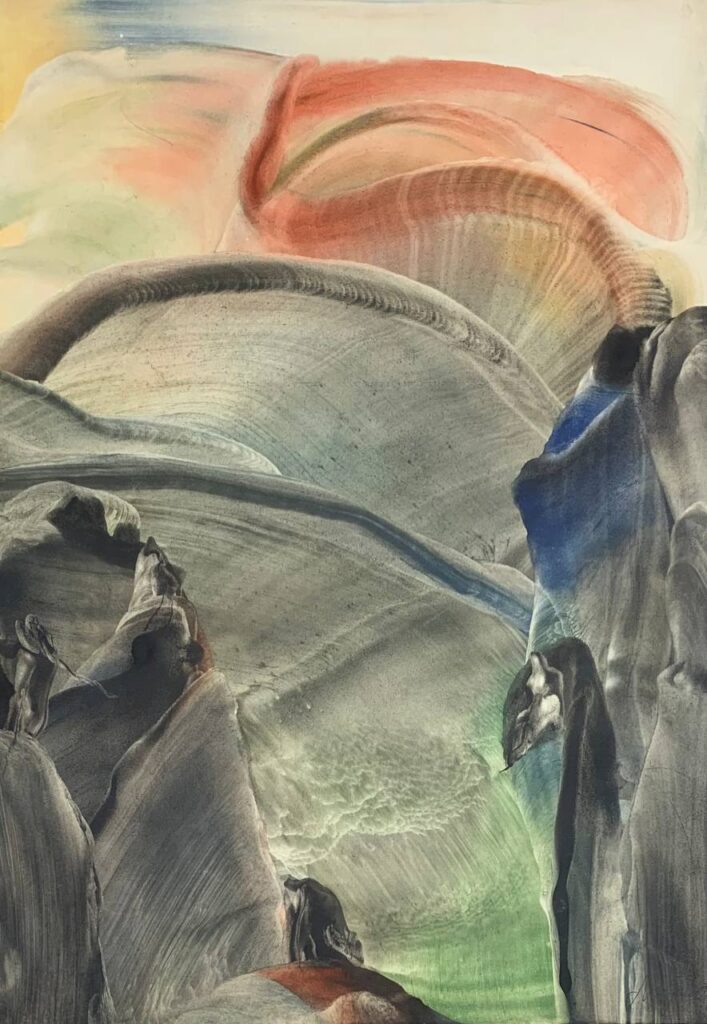
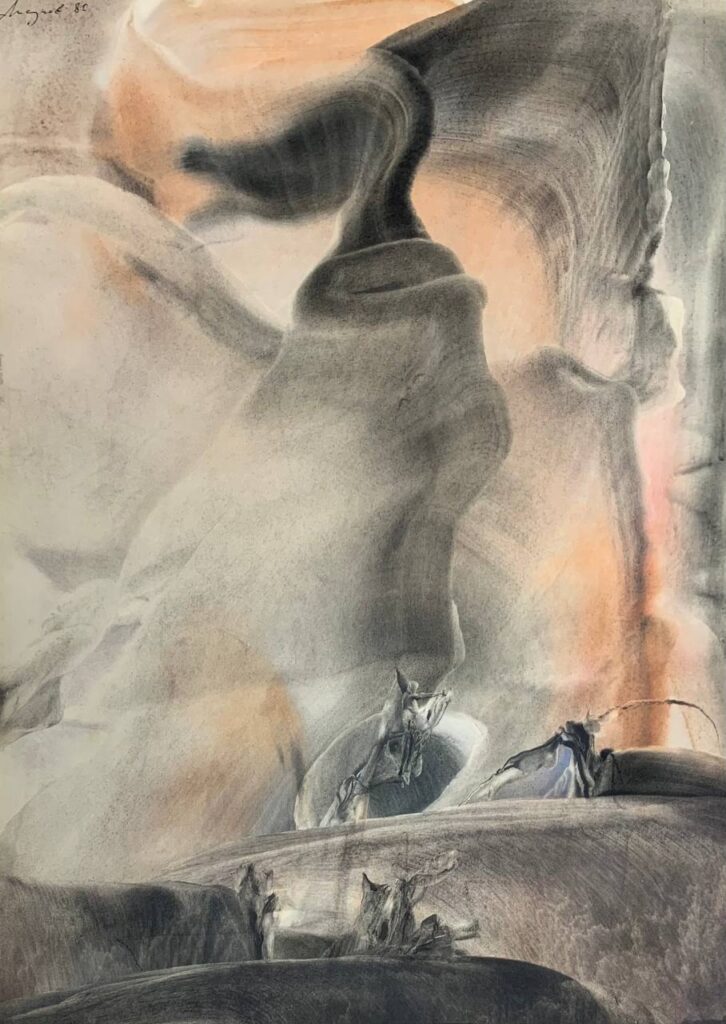
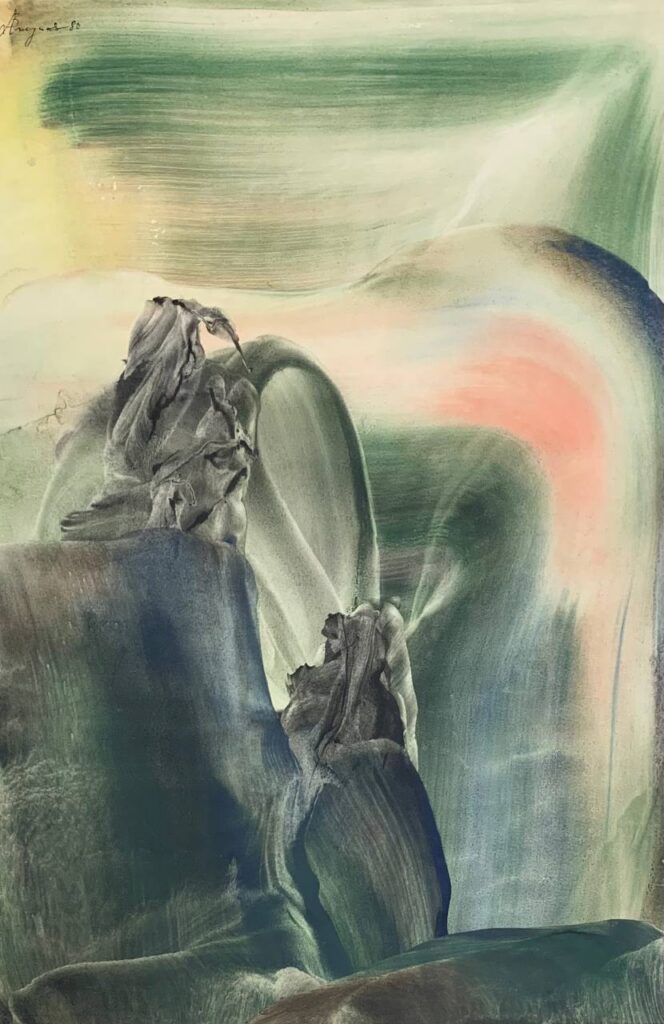
Style and Influence
- 1965: Personal exhibition, Leningrad Institute of Textile and Light Industry
- 1985: Joined the Ostrov group of artists
- 1987: "The Island" group exhibitions, Leningrad and Moscow
- 1990: "Leningrad: Traditions and Perestroika", Paris
- 1996: "Epiphany", Solo exhibition, Shuvalov Palace, St. Petersburg
- 2000: Posthumous exhibition at Shuvalov Palace, St. Petersburg